


Why Sustainable Travel in Australia is a Conservationist's Dream
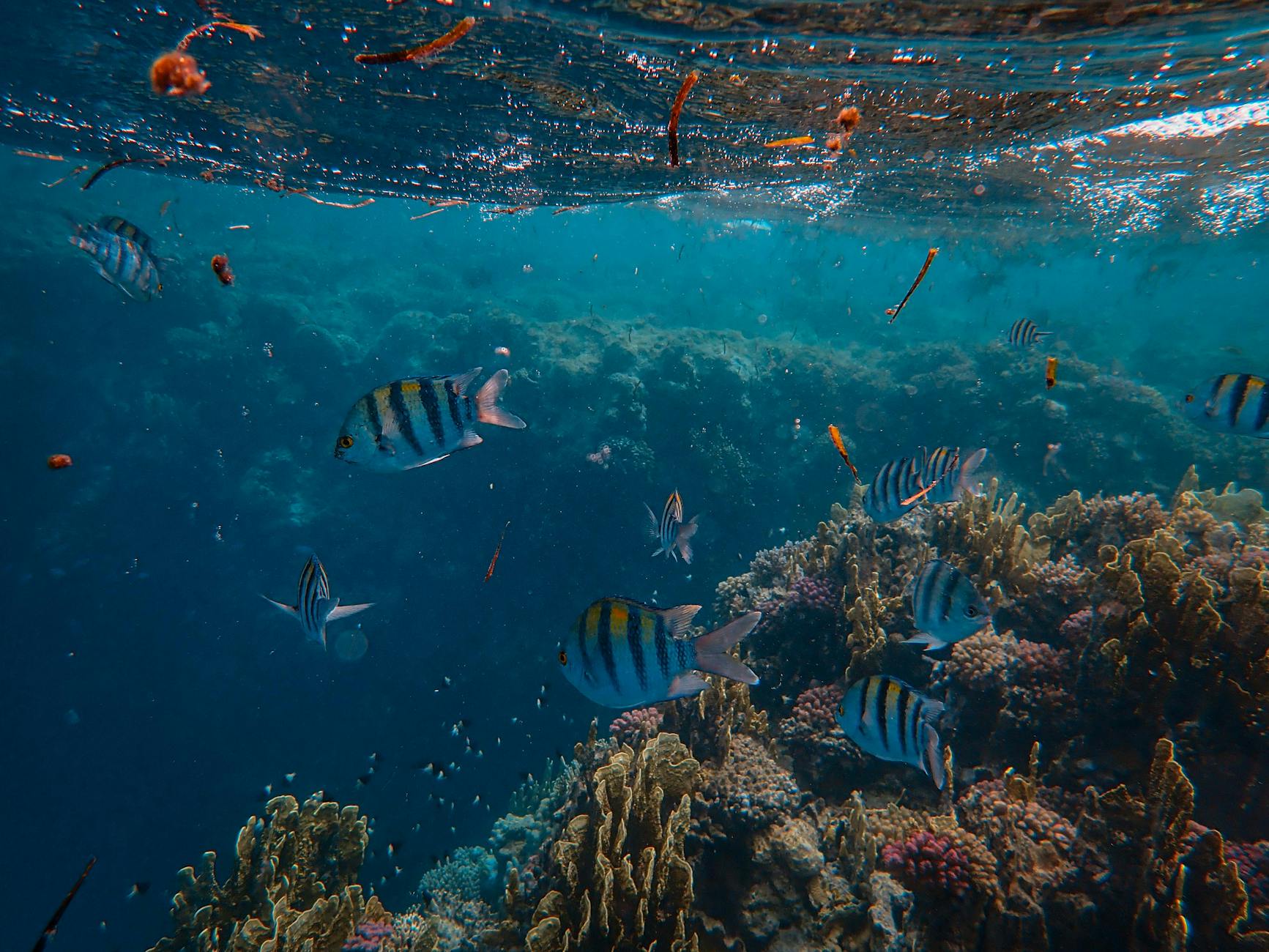
Exploring Unique Ecosystems
As a conservation professional based in Melbourne, I've witnessed the parallel beauty and fragility of ecosystems you've only read about. Consider embarking on a journey where conservation and exploration meet through ventures like the Zimbabwe safari. This trip offers a glimpse into the pulse of African biodiversity, allowing you to experience nature with the same reverence we maintain for our own Royal Botanic Gardens Victoria.
Another adventure that aligns well with sustainable living philosophies is the Galapagos Islands tours. Imagine wandering beaches where wildlife seems undisturbed by humanity—or scrutinising the ancient ecosystems that fuel your sense of wonder in scientific discovery. These types of tours provide the richness of understanding we've come to value in our field.
Or perhaps you're drawn to the allure of South Africa tours. These trips offer insight into conservation practices similar to those you'd find in Melbourne Zoo's eco-focused programs. From learning about wildlife rehabilitation to understanding sustainable living in local communities, these tours extend a hands-on experience that amplifies your professional understanding of ecosystems.
Incorporating global conservation strategies, each of these trips presents you with a unique platform to meld travel with action, much like the conservation efforts I'm passionate about implementing here. They serve not just as eye-opening voyages but as steps to bolster our commitment to sustainable practices. The focus here should remain on observations and learning, much like participating in scientific expeditions but on a grander, world-encompassing stage.
Conservation Efforts in Action
When we consider Conservation Efforts in Australia, it is essential to acknowledge the role of Indigenous-led projects. These initiatives are pivotal in preserving Australia's rich diversity by blending traditional knowledge with modern conservation strategies. By engaging with these projects, one gains a deeper understanding of the symbiotic relationship between Indigenous communities and their environment, much like the experiential programs facilitated by Melbourne Zoo's eco-focused programs.
National park preservation is another critical aspect of conservation. These parks not only safeguard Australia's remarkable flora and fauna but also offer opportunities to witness sustainable management in action. For urban professionals like me, these protected areas serve as tangible examples of how conservation initiatives operate on a large scale, ensuring biodiversity is maintained amidst increasing urbanisation.
Marine life protection initiatives are crucial to the health of aquatic ecosystems, akin to what is seen in namibia safari conservation strategies. These efforts, including protected marine areas and fishing regulations, are foundational in combating the threats posed by overfishing and pollution. Learning about such protection measures is vital for anyone interested in africa tours or Cuba tours, as it increases awareness of the shared responsibilities in safeguarding these global treasures. Together, these conservation efforts remind me of the green initiatives at CERES Community Environment Park, emphasizing holistic, community-driven approaches to preserving Australia’s natural beauty.
Sustainable Tourism Practices
Eco-Friendly Accommodation
In my line of work, I often stress the importance of choosing eco-friendly accommodation to support sustainable travel. These options not only reduce the environmental impact but also often collaborate with local conservation efforts. For instance, many accommodations integrate solar energy and water-saving systems, promoting a more sustainable lifestyle. If you're looking to visit areas akin to the unique ecosystems in Botswana, with options like a botswana safari, these eco-friendly places play a crucial role in preserving local biodiversity through partnerships with conservation groups.
Green Transportation Options
One of the best ways to reduce carbon emissions while travelling is by opting for green transportation methods. Bikes, electric vehicles, and public transport are great ways to minimise one's carbon footprint. In Melbourne, the local infrastructure supports these options quite well, much like the significant conservation activities at the Royal Botanic Gardens Victoria. Additionally, when exploring destinations that offer antarctica cruises, look for organisations employing vessels designed to minimise pollution.
Community-Based Tourism
Community-based tourism provides an avenue where travellers can truly make a difference. This approach ensures that the economic benefits of tourism contribute to local development and conservation efforts. When planning a trip, opt for community-run initiatives that offer genuine cultural experiences and use profits for local conservation projects. Back home, programs at institutions like Melbourne Zoo focus heavily on community and education, serving as excellent models for this type of tourism. Embracing these practices not only provides enriching experiences but also ensures the protection of our precious ecosystems.
Witness Conservation Firsthand
Volunteering Opportunities
Volunteering can be an impactful way to contribute to conservation while travelling. Opportunities abound for those willing to lend a hand, whether it's participating in beach clean-ups or aiding wildlife rehabilitation. For those interested in south america travel, volunteering in places like the Galápagos Islands offers a once-in-a-lifetime chance to engage directly with conservation efforts. These hands-on experiences can provide depth and meaning beyond traditional travel.
Guided Educational Tours
Educational tours allow travellers to gain a deep understanding of ecosystems and conservation practices. On these tours, guides often provide insights into local wildlife and the challenges they face. For instance, a safari in Botswana can illustrate sustainable land management principles. If you're exploring south america tours, specialised guides often share knowledge about rainforest biodiversity and indigenous conservation methods. Such tours not only broaden your understanding but also support local economies focused on preserving natural habitats.
Wildlife Watching and Conservation
Observing wildlife in their natural environment is both exhilarating and enlightening. Activities like bird watching in Ecuador or marine mammal observation in Patagonia highlight the beauty and importance of these ecosystems. Participating in conservation-oriented wildlife tours can ensure that tourism dollars support sustainable practices aimed at protecting these species and their habitats.
Witnessing conservation firsthand can be an enlightening experience, allowing travellers to connect more deeply with nature and ideally inspire further personal commitment to sustainable living.
Avoiding Common Pitfalls
Ignoring Local Guidelines
As someone passionate about conservation, I've learned the importance of adhering to local guidelines, whether you're exploring the Botswana safari or the wilderness areas of Tasmania. Each region, much like Melbourne’s CERES Community Environment Park, has its own set of regulations designed to preserve its unique ecosystems. Disregarding these rules can disturb delicate habitats and endanger local wildlife. It’s essential to acquaint yourself with these guidelines to respect and protect the lands you’re visiting, much like the initiatives undertaken by Melbourne Zoo's eco-focused programs.
Overlooking Environmental Impact
In our urban lives, it's easy to forget how our actions impact the environment, particularly when exploring destinations like Antarctica through Antarctica cruises. Even subtle changes, such as off-trail walking, can disrupt fragile ecosystems. Just as the Royal Botanic Gardens Victoria emphasises plant conservation, recognising the impact of our actions on wildlife and their habitats encourages responsible travel. Every step taken off the beaten path can lead to unintended harm, so let's strive to be mindful travellers.
Misjudging Your Carbon Footprint
Exploring new environments, like a Zimbabwe safari, certainly enriches our lives, but it often comes at a cost—our carbon footprint. Much like using green transportation options to get around Melbourne, sustainable travel requires us to consider eco-friendly choices. Opting for carbon offsets or using public transport can make a difference. Keeping track of your emissions helps ensure your travel experiences are harmonised with nature and contribute positively to the ecosystems you cherish.